
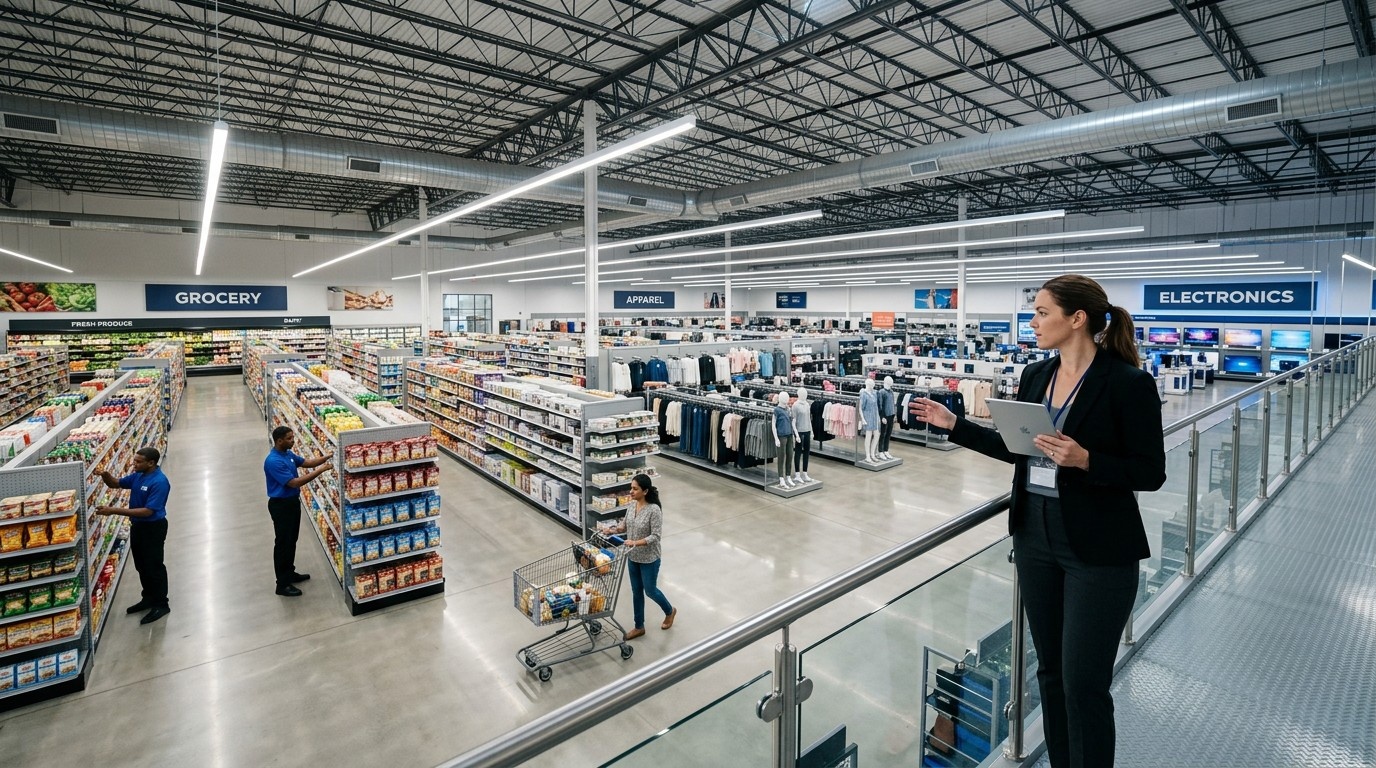
Modern retailers extract more value from existing real estate by using space management systems, utilization analytics, capacity planning, and occupancy monitoring to lift conversion, average basket size, and sales per sq ft.
Why Space Management Software matters for retail
Space Management Software puts data-driven tools into the hands of retail operations, merchandising, and real estate teams so layout and planogram decisions become measurable revenue levers. Small changes—reassigning an endcap, widening a key aisle, or moving a promotional island—can yield outsized ROI when backed by analytics.
KPIs improved by better space management
- Sales per sq ft: prioritize high-margin SKUs in high-traffic real estate.
- Conversion rate: reduce friction and highlight offers to turn visits into purchases.
- Average basket size: co-locate complementary categories to drive cross-sell.
- Dwell time: create inviting circulation and interactive displays to increase engagement.
Data sources and integrations that power decisions
A robust space management platform aggregates multiple retail signals into one source of truth. Typical integrations include:
- POS and transaction data (basket analytics, margin by SKU)
- Loyalty and CRM data for shopper segmentation
- Footfall counters, in-store Wi‑Fi/beacon probes, and CCTV heatmaps for utilization analytics
- Planogram systems and SKU placement rules to automate layout constraints
- IWMS/CAFM or real estate systems to align cost and space metrics
Use utilization analytics to map shopper behavior
Translate heatmaps and dwell analytics into merchandising actions. Identify high-value real estate and underperforming zones, then reassign space according to margin density and demand elasticity.
Time-segmented layouts and dynamic zoning
Shopper flows differ by hour and day. Implement time-based planograms (weekday vs weekend, morning vs evening) to optimize limited square footage for peak behaviors—grab-and-go at lunch, impulse near entrances on weekends, etc.
A/B planogram experiments
Run controlled experiments across matched stores:
- Randomize stores into test and control groups.
- Define clear success metrics: conversion lift, basket size, margin per sq ft.
- Require statistical significance before rolling out chainwide.
Capacity planning and scenario modelling for stores
Tools from office capacity planning translate well to retail: model customer density, queue impact, and circulation to prevent bottlenecks that depress conversion. Use scenario modelling to compare rent per sq ft against incremental sales required to justify reallocations.
Optimize category allocation by value
Allocate space by margin density, turnover, and elasticity—not by historical layouts. Modular fixtures and flexible shelf sizing let you scale space for seasonal or promotional categories quickly and cost-effectively.
Occupancy monitoring to optimize staffing and service
Link occupancy and queue monitoring to labor scheduling and in-store alerts. Deploy staff dynamically to reduce queues and lift conversion while avoiding unnecessary labor hours.
Practical operational tactics
- Set queue thresholds that trigger opening additional lanes or assigning floating associates.
- Align greeter and checkout schedules to true peak periods derived from occupancy history.
- Use occupancy models to plan safe throughput for holidays and promotional events.
Pilot design and governance for measurable rollouts
Follow a disciplined approach to scale successful changes:
- Start with a high-impact pilot: 3–5 representative stores, defined KPIs, and a statistically valid test period.
- Cross-functional governance: merchandising, operations, real estate, and analytics should meet regularly to review insights and approve rollouts.
- Automate insights: connect POS, planogram, and IoT sensors to trigger alerts for underperforming zones and recommended layout changes.
- Measure and iterate: document learnings, maintain ROI dashboards, and require post-change tracking to validate long-term gains.
Quick-win tactics retailers can deploy this quarter
- Relocate a promotional endcap from a low-traffic aisle to an adjacent high-traffic corridor and measure uplifts in conversion and margin per sq ft.
- Introduce time-based planograms for weekend vs weekday and test impact on basket size.
- Use occupancy thresholds to open express lanes during lunch peaks and quantify reduction in cart abandonment.
- Run A/B planogram tests for category adjacency (e.g., snack + beverage) to measure cross-sell lift.
Conclusion — turning space into measurable revenue
Space Management Software, paired with utilization analytics, capacity planning, and occupancy monitoring, lets Retail Operations Managers turn layout choices into measurable sales gains. The right pilots, governance, and integrations reduce rollout risk and scale proven changes across a chain—boosting sales per sq ft while optimizing staffing and real estate costs.
Ready to pilot a Space Management System? Discover how eFACiLiTY can help your retail chain implement a targeted pilot, run planogram A/B tests, and scale proven layout changes. Contact us for a free demo and tailored pilot plan:




