Quick Overview
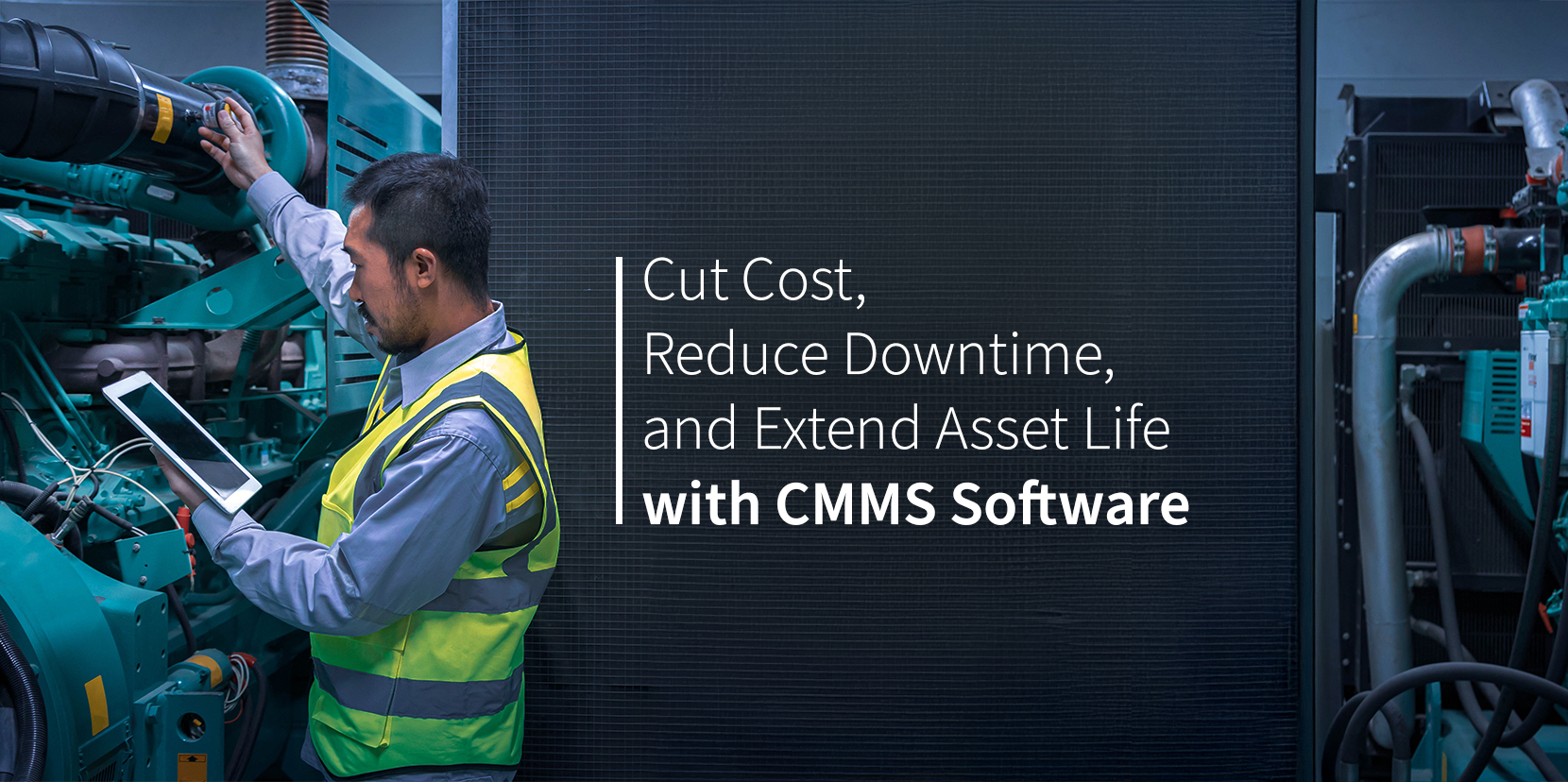
Unexpected equipment downtime and costly repairs can drain resources and hurt productivity. A preventive maintenance management software like CMMS helps organizations manage facility maintenance needs.
In this blog, we’ll show you how CMMS software reduces downtime, cuts maintenance costs, improves equipment reliability, extends asset life, and improves operational efficiency.
Introduction: Maintenance and CMMS
Did you know poor maintenance can cut plant capacity by 5 to 20 percent? Unplanned downtime also costs industrial manufacturers nearly $50 billion every year. Relying on reactive maintenance increases breakdown risks and puts profitability at stake.
CMMS is a preventive maintenance management software that changes this dynamic by helping companies plan. It automates work orders, schedules preventive tasks, and optimizes asset management.
CMMS is a digital maintenance automation software that helps organizations plan, schedule, and automate maintenance to reduce downtime.
With these tools, businesses shift from firefighting to foresight. The result is smoother operations, fewer risks, and sustainable long-term savings.
What are the Challenges of Managing Maintenance Without CMMS?
Without a preventive maintenance management software like CMMS, the below challenges can plague facility operation:
- Frequent breakdowns: Missed preventive care leads to more unplanned downtime and unexpected equipment failures.
- Unorganized schedules: Paper logs and spreadsheets make it easy to miss or forget critical maintenance tasks.
- Wasted time: Technicians lose hours searching for manuals, records, or the right spare parts for each asset.
- Higher costs: Emergency repairs, overtime labor, and premature replacements quickly drive-up expenses.
- Shorter asset life: Equipment wears out faster without consistent and timely maintenance.
- No visibility: Without reliable data, managers can’t track asset performance or identify recurring failure patterns.
These common challenges show how relying on manual or reactive maintenance can disrupt operations and increase costs. Understanding these pain points sets the stage for exploring how the right CMMS solution can transform maintenance headaches into measurable business value.
CMMS Solutions for Common Maintenance Challenges
Without a structured preventive maintenance management software, maintenance often creates more problems than it solves. Organizations relying on reactive or manual maintenance methods struggle to keep operations efficient.
Unplanned breakdowns, wasted technician time, and higher repair costs make it even more challenging.
Below are the most common challenges of working without preventive maintenance management software—and how a CMMS can turn them into opportunities for savings and productivity.
Challenge 1: Unexpected breakdowns bring operations to a halt
Solution: Reduce downtime with proactive maintenance
With a CMMS, you reduce surprise failures and avoid extended downtime. By scheduling preventive tasks and tracking asset health in real time, issues are caught early before they escalate into costly breakdowns.
Case example: Ahmad Tea’s UAE facility managed over 1,270 assets using eFACiLiTY® CMMS and Enterprise Asset Management (EAM) software. This helped them significantly lower downtime and maintenance costs by consolidating maintenance into one system.
Wondering what the difference is between an EAM and CMMS software. Check out our blog on ‘CMMS vs EAM Software. Which Is Right For You?’
Challenge 2: Your team is pulled into reacting—not improving
Solution: Boost productivity with smarter task management
CMMS moves your maintenance team from firefighting to focusing on critical tasks, boosting overall efficiency. It ensures resources are used where they matter most, preventing costly disruptions before they occur.
Case example: Adani Group used eFACiLITY® to maintain master asset data, schedule preventive maintenance, and create work orders across their new corporate office. By automating tasks and prioritizing proactive maintenance, they reduced the time spent on unplanned repairs, enhanced productivity, and minimized the need for reactive interventions.
Challenge 3: Assets are replaced too soon (wasted capital)
Solution: Maximize asset lifespan with accurate maintenance history
A maintenance planning system with work records and performance tracking can extend equipment life and avoid premature replacements.
Case example: Lake Turkana Wind Power (LTWP) used eFACiLITY® to automate work orders, manage inventory, and track assets across their expansive wind farm infrastructure. This helped reduce unnecessary asset replacements by ensuring timely maintenance, minimizing downtime, and extending the lifespan of critical equipment.
Challenge 4: Regulatory audits become stressful, and records are missing
Solution: Stay audit-ready with automated record keeping
CMMS centralizes maintenance documentation, making compliance reporting seamless and reducing the risk of penalties.
Cut costs, stop breakdowns, and extend asset life with a preventive maintenance management software. Take our free CMMS demo today.
Challenge 5: You lose track of assets—overlaps, gaps, forgotten equipment
Solution: Gain full visibility into asset performance
A centralized CMMS ensures every asset is accounted for, monitored, and maintained on time.
Case example: Flex automated maintenance operations across multiple locations with eFACiLiTY® IWMS/CAFM software. This helped them achieve better visibility and control of assets company-wide.
FAQs About CMMS Maintenance
Answer: CMMS (Computerized Maintenance Management Software) is a type of facility management software. It is a preventive maintenance management software that helps businesses schedule, track, and automate maintenance tasks. It generates work orders, tracks asset performance, and ensures timely maintenance to avoid unexpected breakdowns.
Answer: CMMS improves asset management by providing real-time data on asset health and scheduling routine maintenance tasks. It also helps prevent equipment failures before they occur, reducing operational downtime and increasing asset lifespan.
Answer: Yes, CMMS helps reduce operational costs by preventing reactive maintenance and optimizing technician schedules. It also reduces unplanned downtime, ultimately saving on repairs and replacements.
Answer: Implementing CMMS is relatively straightforward. Most software solutions come with easy-to-follow guides and customer support. Integration with existing systems is seamless, and the benefits quickly become apparent once you start scheduling and automating your maintenance tasks.
Answer: Preventive maintenance schedules regular upkeep to prevent failures before they happen. Reactive maintenance addresses equipment issues only after a breakdown, causing downtime and higher costs. Predictive maintenance uses data and analytics to predict when equipment will fail, allowing for maintenance to be scheduled just before the failure occurs.
Conclusion: CMMS, the Preventive Maintenance Management Software
A functional preventive maintenance management software is no longer just an operational necessity—it’s a strategic advantage. With CMMS maintenance software, you can automate maintenance, avoid reactive repairs, and extend the life of your assets.
By implementing CMMS software, organizations can reduce unplanned downtime and optimize technician productivity. Centralized asset tracking, automated work orders, and preventive maintenance scheduling turn facility asset maintenance from a reactive burden into a strategic advantage. This approach delivers measurable cost savings and improves overall operational efficiency.
Ready to revolutionize your maintenance strategy?
Contact us today to learn how eFACiLiTY® CMMS software can help streamline your preventive maintenance and reduce costs across your organization.